
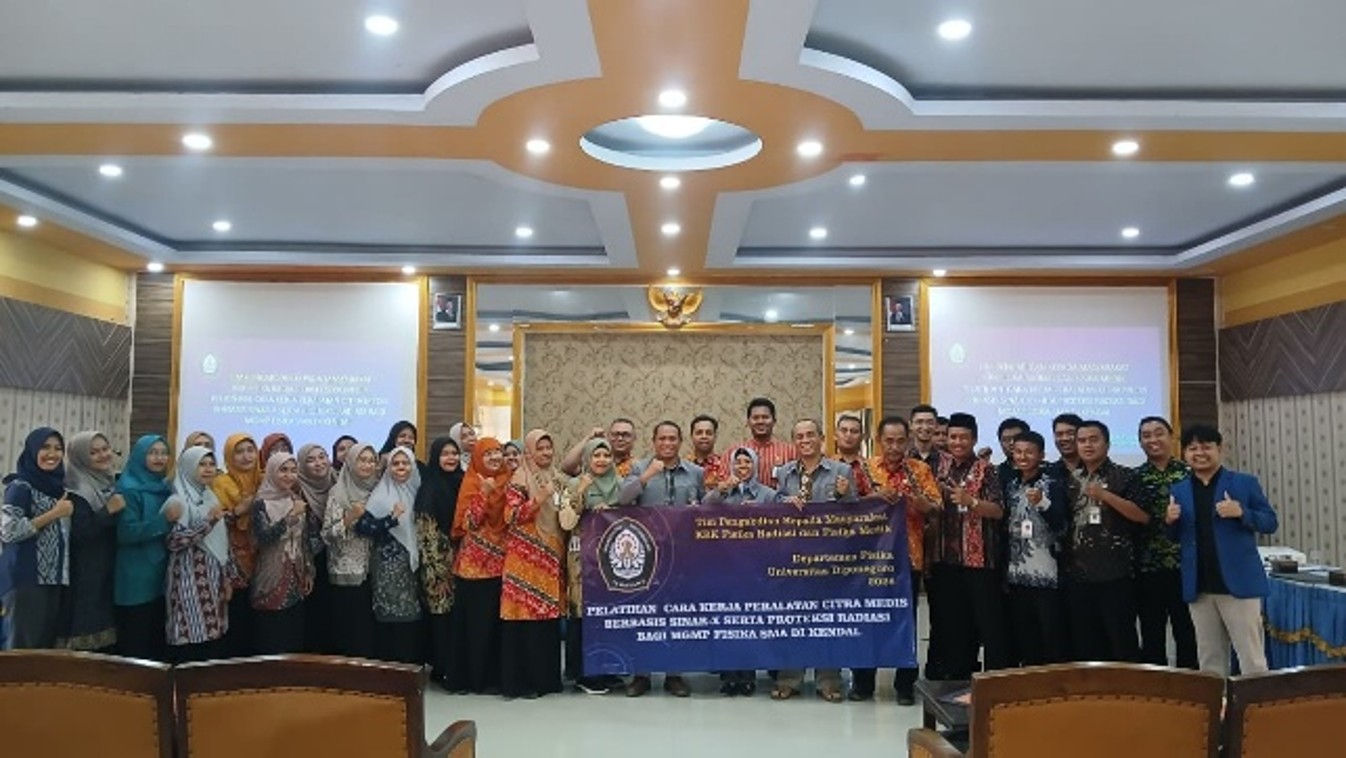
KENDAL, September 10, 2026 — The Department of Physics, Faculty of Science and Mathematics, Diponegoro University, through its Radiation and Medical Physics Research Group, conducted a community service initiative offering training on the working principles of X-ray-based medical imaging equipment and radiation protection. The workshop was tailored for high school physics teachers from the Subject Teachers’ Association (MGMP) across Kendal and Batang Regencies.
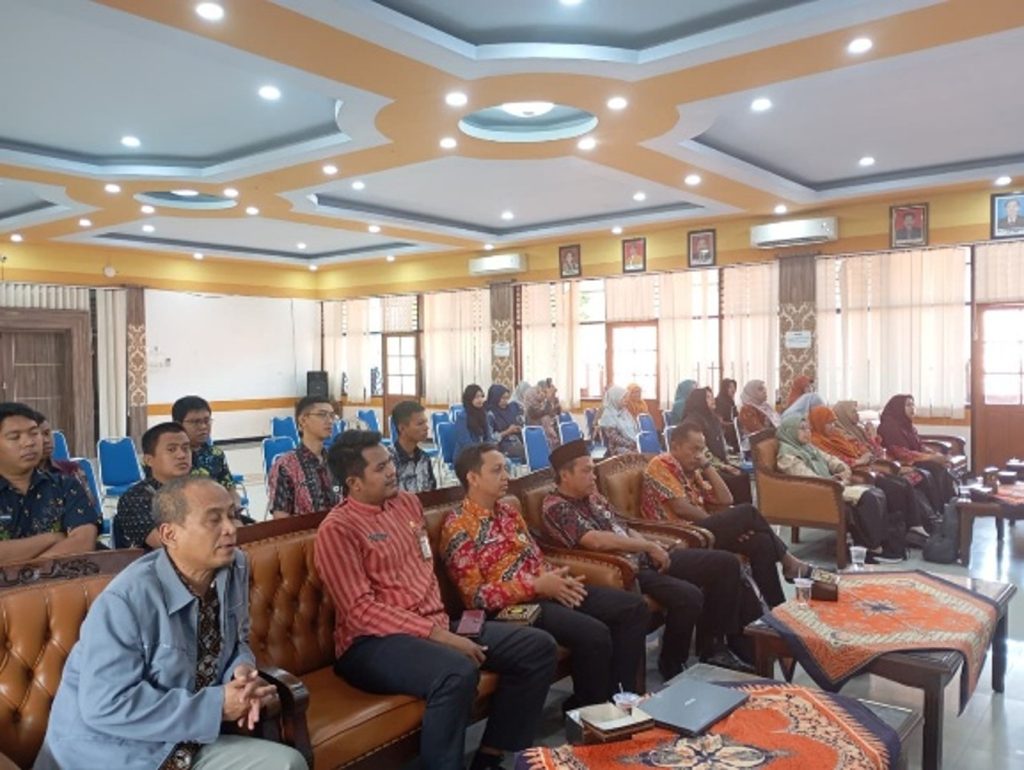
The event, themed “Training on the Working Principles of X-Ray-Based Medical Imaging Equipment and Radiation Protection,” took place on Thursday, September 10, 2026, at SMA Negeri 1 Kendal and was attended by 32 high school physics teachers. The program was officially opened by the Principal of SMAN 1 Kendal, who emphasized the importance of updating physics knowledge for educators to boost their teaching confidence.
This training aimed to enhance radiation literacy, provide practical insights into X-ray-based medical technology, and equip teachers with pedagogical skills to deliver radiation-related material contextually to their students. The UNDIP team leading this workshop comprised Dr. Pandji Triadyaksa, F.Med., Prof. Dr. Eng. Eko Hidayanto, F.Med., and Evi Setiawati, M.Si., F.Med., alongside five UNDIP physics students.
X-ray machines have become an essential component of modern healthcare; however, public understanding—including among high school teachers and students—regarding their working principles and radiation safety remains limited. Ionizing radiation concepts in schools are generally taught only theoretically, leaving students without a critical awareness of radiation exposure risks or the importance of precautionary principles in medical examinations. The UNDIP Department of Physics recognizes the need for specialized training for physics teachers in the MGMP association to enable them to deliver radiation topics contextually. Equipped with practical knowledge, teachers are expected to serve as radiation literacy advocates within both their schools and broader communities.
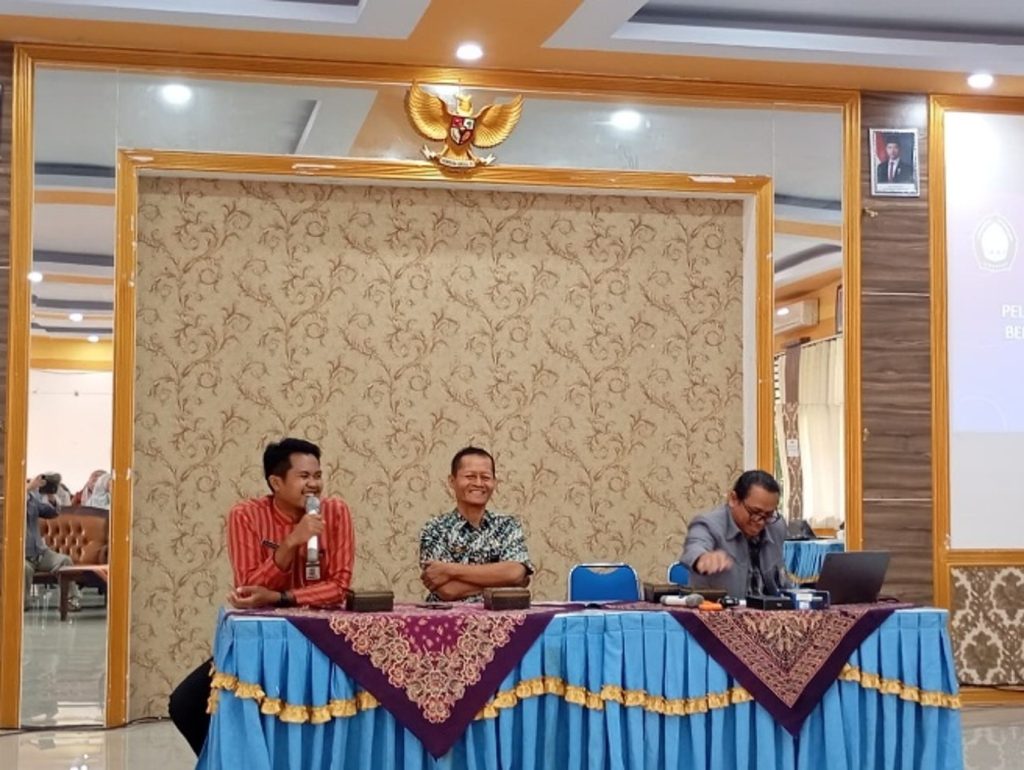
During the event, Prof. Dr. Eng. Eko Hidayanto, F.Med., introduced the UNDIP Physics Undergraduate Program alongside its four research concentration areas: Radiation and Medical Physics, Materials Science, Electronics and Instrumentation, and Geophysics. He also highlighted the Medical Physics Professional Education Program as an advanced pathway following the medical physics track. Dr. Pandji Triadyaksa, F.Med., presented on electromagnetic radiation fundamentals, X-ray properties, and their medical applications, providing technical explanations on X-ray generation within X-ray tubes. The subsequent session was led by Ms. Evi Setiawati, M.Si., F.Med., who addressed the radiobiological effects of X-rays on the human body, radiation dosages, and radiation protection principles. She emphasized the critical implementation of justification, optimization through the ALARA approach, and dose limitation across all radiological procedures. Demonstrations on the use of radiation shielding equipment and dose measurement provided participants with a deeper technical understanding.
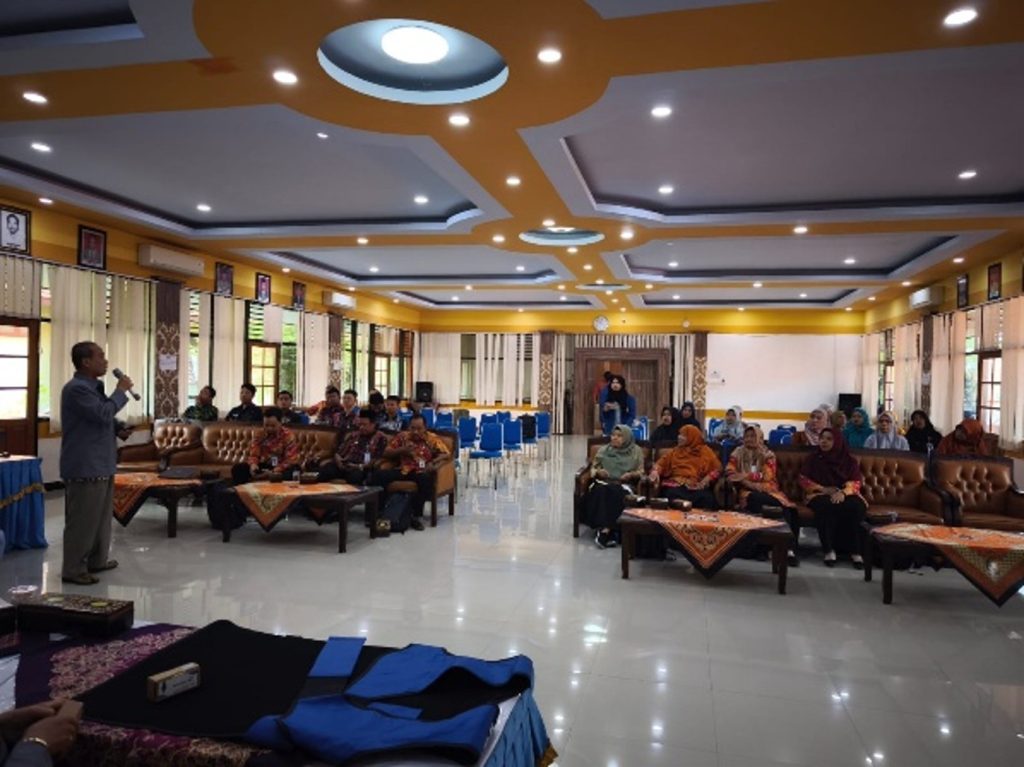
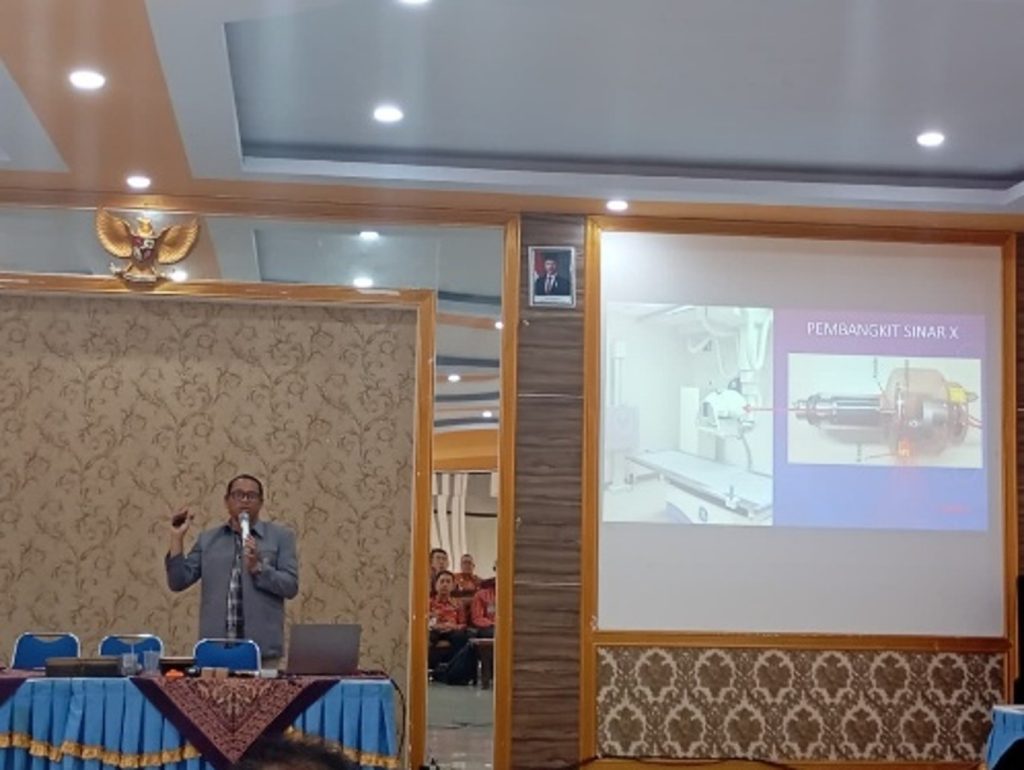
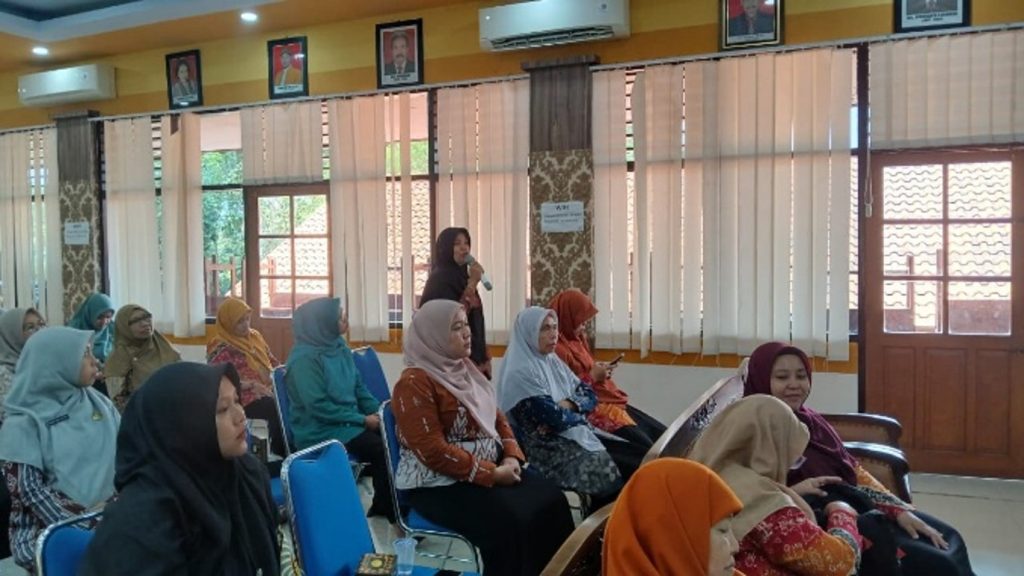
The enthusiasm of the participants was evident from the wide range of questions asked, covering topics from student admission procedures at UNDIP to the effectiveness of anti-radiation glasses. The community service team clarified that standard glasses without lead shielding cannot protect the eyes from ionizing radiation, as they are only designed to block light glare or ultraviolet rays. Other questions regarding potential radiation hazards to fetuses and cancer risks associated with X-ray examinations were addressed with explanations that such risks can arise if radiation doses exceed the limits set by regulatory standards. This explanation broadened the teachers’ insight into the crucial role of regulation and oversight provided by BAPETEN as the nuclear energy regulatory agency.
The program provided not only theoretical knowledge but also practical experience through simulations of X-ray equipment operation, proper use of personal protective equipment (PPE), and radiation dose measurement. High school physics teachers were guided to understand how radiation protection principles are implemented in daily medical practice. Through a participatory approach, participants were actively engaged in discussions and demonstrations to help them internalize the concepts. This initiative is expected to boost teachers’ confidence in delivering radiation topics to their students in a more practical and relevant manner.
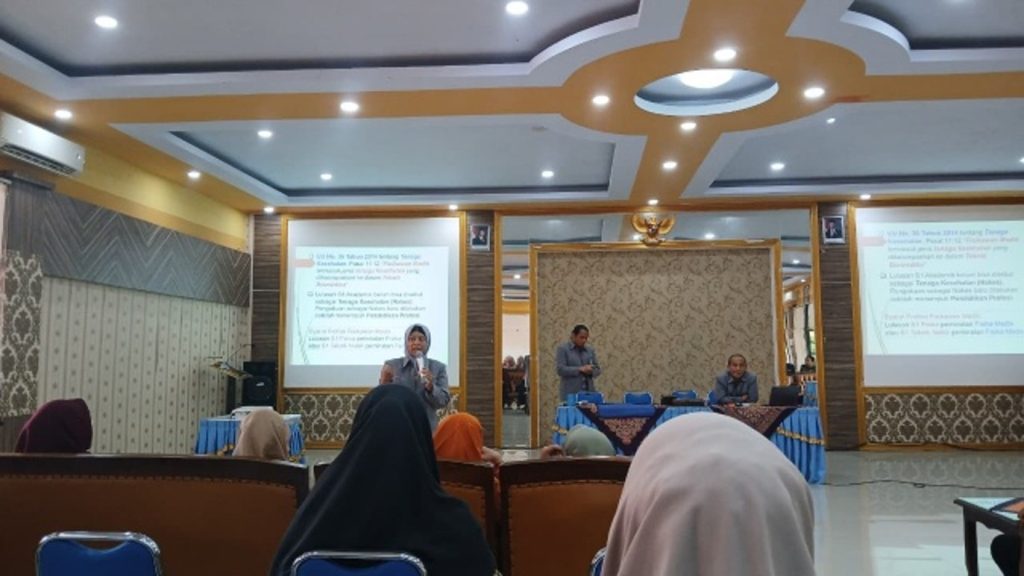
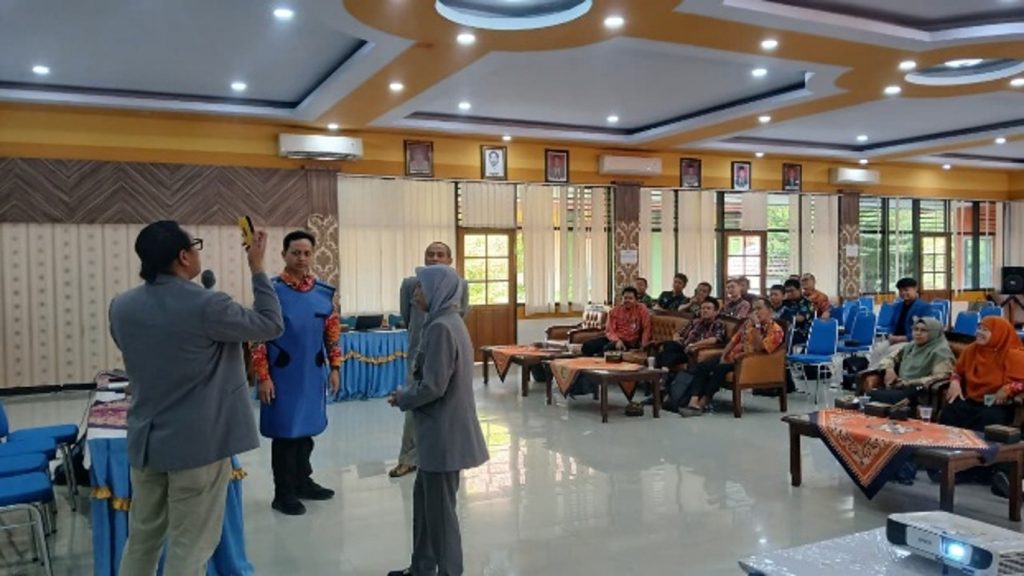
Through this activity, the physics teachers of the Kendal MGMP association obtained training modules that can be utilized as contextual teaching materials in schools, a practical understanding of X-ray machine operations and radiation protection, as well as pedagogical skills to deliver radiation-related topics more applicatively to their students. The targeted outputs of this program also include publication on the UNDIP Physics Undergraduate Program website and the intellectual property (IPR) registration of a booklet titled “Training and Technique for X-Ray Radiation Hazard Mitigation for High School Students.” With these outputs, it is hoped that the training materials can be continuously utilized by teachers and students, serving as an important reference in school physics education.
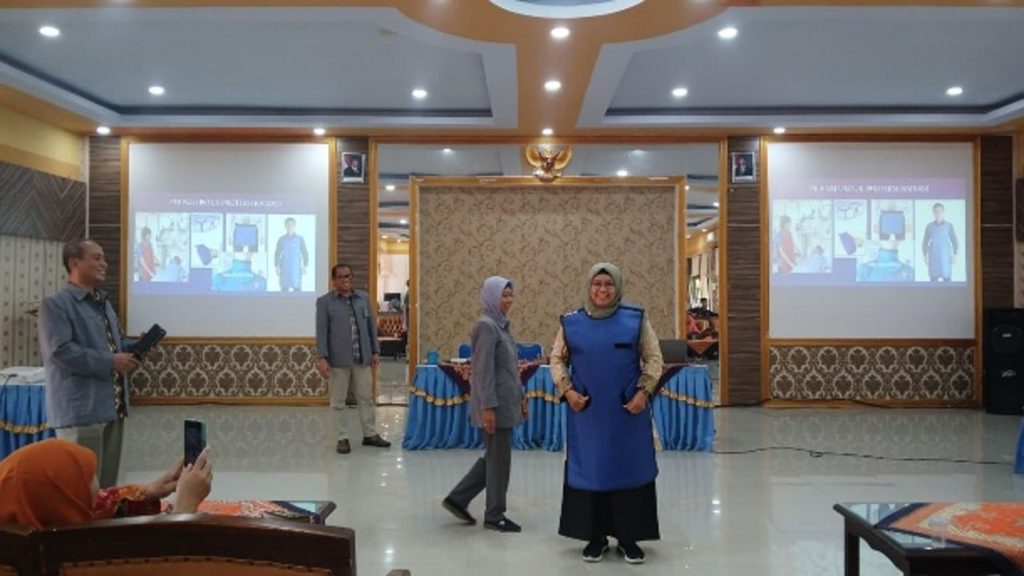
The event concluded with a group photo session involving the community service team, teachers, and students, symbolizing the collaboration between higher education institutions and schools. The UNDIP Department of Physics reaffirmed its commitment to continuously carrying out community service programs that support the enhancement of science and technology literacy in society. Through this training, high school physics teachers are expected not only to enrich classroom learning but also to serve as radiation literacy advocates within their communities. Moving forward, UNDIP plans to expand the reach of similar initiatives so that more teachers and students understand the importance of a radiation safety culture in modern life.